

What Ranks, What Gets Cited by AI, and What No Longer Works
Executive Summary
Digital marketing and public relations have entered a structural transition. Now, in 2026, visibility is no longer primarily determined by keyword rankings or traffic acquisition, but by whether content is selected, referenced, or summarized by AI systems that increasingly mediate how information is discovered. Below we’ll explain this carefully:
OK so is SEO no longer important? It is because search engines still exist. SEO still matters.
But AI-driven answers now sit above, around, and instead of traditional results.
“Search has a new sheriff in town” – his name is AI.
This paper provides a factual, non-promotional overview of:
- How AI systems evaluate content in 2026
- Which content types perform well for AI visibility
- Common traps that reduce trust and suppress citation
- How digital marketing and PR have effectively merged
- Practical guidance for building durable visibility going forward
1. The Structural Shift: From Ranking to Selection
For two decades, digital marketing optimized for position:
- Rank #1
- Increase CTR
- Improve dwell time
- Capture demand
In 2026, AI systems operate differently.
They do not ask:
“Which page is best optimized?”
They ask:
“Which source is most likely correct?”
This distinction changes everything.
AI systems infer credibility by evaluating:
- Source environment (editorial vs promotional)
- Author or organizational authority
- Cross-source consistency
- Specificity of claims
- Recency and update patterns
As a result, many well-optimized websites see declining influence, while less optimized but more credible editorial content gains visibility.
2. How AI Systems Evaluate Content in 2026
AI models do not “rank pages” in the classical sense.
They evaluate probability of accuracy.
That probability is derived from several observable signals.
2.1 Editorial Context
Content published within:
- News environments
- Industry publications
- Expert commentary platforms
…is weighted more heavily than content published solely on branded marketing sites.
This does not mean company blogs are ignored.
It means context matters as much as content.
2.2 Author and Organizational Authority
AI systems increasingly attribute content to:
- Named experts
- Executives
- Recognized practitioners
- Institutions with domain relevance
Anonymous, generic, or brand-only attribution reduces confidence.
Clear authorship improves selection likelihood.
2.3 Cross-Source Validation
One strong article is not enough.
AI systems look for:
- Similar claims expressed independently
- Consistent reasoning across different platforms
- Absence of obvious coordination or duplication
Visibility emerges from ecosystems, not single assets.
2.4 Clarity and Specificity
AI prefers content that:
- Makes clear claims
- Defines scope and limitations
- Explains mechanisms, not slogans
Vague “thought leadership” language performs poorly.
2.5 Temporal Relevance
Freshness is not just about publication date.
AI evaluates whether:
- Content is periodically updated
- The author remains active on the topic
- New context has been incorporated
Static evergreen pages gradually lose trust.
3. Content Types That Perform Well for AI Visibility
3.1 Expert Commentary on Current Events
Interpretive content consistently outperforms generic guides.
Examples:
- “What this regulation changes operationally”
- “Why this market shift matters for procurement”
- “What most organizations misunderstand about X”
Why it works:
- Demonstrates reasoning
- Anchors content in time
- Introduces original framing
AI systems value thinking, not repetition.
3.2 Editorial News Articles (Not Press Releases)
Traditional press releases perform poorly unless transformed into editorial content.
Strong editorial traits:
- Neutral tone
- Third-person framing
- Balanced perspectives
- Contextualized mentions
Weak traits:
- Product-first language
- CTA-driven structure
- Repetitive brand references
AI systems are highly effective at detecting promotional intent.
3.3 Regulatory and Compliance-Focused Content
One of the strongest categories for AI citation in 2026.
Why:
- Regulations provide verifiable structure
- Language is precise
- Claims can be externally validated
Even non-regulated industries benefit from:
- Compliance-style clarity
- Standards-based explanations
- Risk-oriented framing
3.4 First-Principles Explanations
AI favors content that explains:
- How something works
- Why it exists
- What fails in real-world conditions
Mechanistic explanations outperform:
- Listicles
- Generic “benefits” articles
- Overly abstract strategy posts
3.5 Multi-Platform Presence
AI rarely trusts a single source.
High-performing visibility strategies include:
- Editorial articles
- Industry blogs
- Interviews
- Expert quotes
- Q&A platforms
This is digital PR, not classic SEO.
4. Content Traps That Suppress AI Visibility
4.1 Press Release Duplication
Syndicated duplication without editorial transformation is increasingly harmful.
AI systems detect:
- Identical phrasing
- Identical structure
- Identical claims
Result:
- Content ignored
- In some cases, trust reduced
4.2 “AI-Written for AI” Content
Over-optimized, perfectly neutral text is suspicious.
AI favors:
- Human reasoning patterns
- Opinionated but defensible language
- Real-world constraints
Paradoxically, content that tries to sound like AI often becomes invisible to AI.
4.3 Keyword-Driven Content Planning
Keywords remain useful as signals, not drivers.
Content created because a keyword exists tends to underperform.
AI rewards:
- Question-led content
- Event-led analysis
- Problem-driven explanations
4.4 Brand-Centric Storytelling
Content that repeatedly emphasizes:
- “Our platform”
- “Our unique solution”
- “Our leadership”
…without independent validation loses credibility.
AI does not reject brands.
It rejects unsupported self-assertion.
4.5 Static Evergreen Content
Content that never changes quietly decays.
AI systems increasingly weight:
- Update cadence
- Ongoing commentary
- Evidence of continued relevance
5. The Convergence of Digital Marketing and PR
By 2026, SEO, PR, and content marketing are no longer distinct disciplines.
The effective model looks like this:
- Editorial-grade content
- Authored by real experts
- Published in trusted environments
- Reinforced across independent platforms
- Updated as reality evolves
This is not traffic marketing.
It is influence engineering.
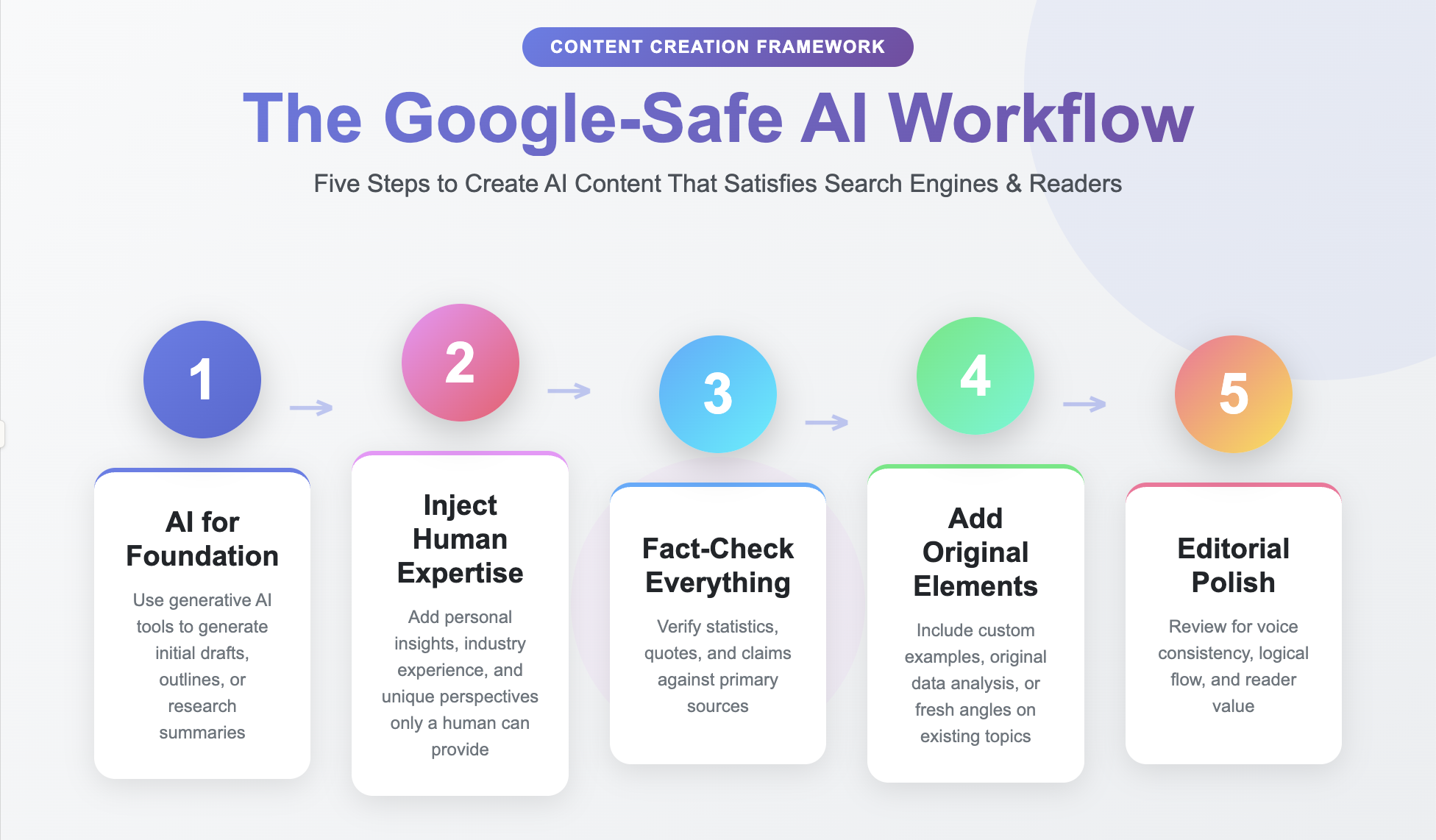
6. Practical Guidance for 2026
Organizations that perform well in AI-mediated discovery tend to:
- Publish fewer but higher-quality assets
- Focus on clarity over creativity
- Invest in editorial distribution
- Treat credibility as an asset
- Maintain active subject-matter presence
The goal is not to be louder.
The goal is to be referenced when decisions are being made.
Conclusion
Digital marketing and PR in 2026 are no longer about gaming algorithms or maximizing exposure.
They are about earning selection.
AI systems reward:
- Evidence
- Consistency
- Reasoning
- Context
- Trust
Organizations that adapt to this reality will compound visibility over time.
Those that continue to optimize for outdated metrics will gradually disappear — even if their rankings appear stable.
The future belongs to those who build credible knowledge ecosystems, not just content libraries.